
The Volunteers in 1915
Of the Irish Volunteers as an organisation this is no place to speak. Of the causes that led to the founding of that organisation it is yet impossible to speak in such a way as to shut out political discussion; and political discussion should cease when the present duty of the Nation stands clear. But of the Irish Volunteer, of the man for Ireland in 1915, one can speak, as one can speak of O’Donovan Rossa in 1865, and so for ever.
Most Irishmen have grown up with the feeling, whether vague or clear, that the most noble thing for them in life, after the service of their God, would be battle for Ireland. Even those who have done little or nothing to arm themselves and their countrymen for battle have known that feeling strongly. It is not merely the love of country felt by the fatter nations, the love of the traditional ways of thought and of life familiar to them, the love that brings home-sickness to the heart with the fear of exile or of death.
It is not merely the love of the sod of Ireland, the love of nature here. It is not merely the love of liberty, of the rights of man. It is not merely hatred of the age-long oppression suffered by our race. It springs not merely from economic grievance, or from grievance against the administration of alien law, or even against the denial of native law.
It is the knowledge that there lives in this country, in this race, a holy cause that will be served and served in blood, and served still though it be betrayed by every man and woman of us but one. While the fire of this cause burns in one Irish heart, the Nation lives. It is our doom and our dower. Failure in its service has brought upon us the calamities of our history. Adventure in its service has won glorious reward unsought, and has always forbidden the end. It is not governed by material advantage. Those who make the great journeys guide their course by the stars.
With this spirit ever moving them or troubling them, the Irishmen of this generation have grown up. Most of them have anxiously prayed that when their destined duty arrives their eyes may be made clear that they may know it, and their hands made cunning, that by some wild luck they may be skilled to serve it. Many have been confident that they will know it, and so have got themselves ready for it. Some have gone to meet it, prepared to bring it.
Until November, 1913, it was possible for Irishmen to feel vaguely this sense of duty and of destined service, to be taken or refused. Since then this much at least is clear, that all who are to take the service of this country must prepare themselves for that service.
Those who before that time had talked of doing what the heroes of the Nation had done, those who had written essays or poems or plays, those who had made speeches in honour of Eoghan Ruadh O’Neill, or of Tone or Emmet or Rossa, all then found that, like the poet of Plato, they had uttered great and wise things which they themselves did not understand. They recognised that in them, with their reason and their calculation, there was another thing that looked through their eyes and beat with their hearts and spoke through their lips, and they knew that that other thing was the master of all their acts.
That other thing told them that ease was to them a temptation of the devil, that the service of Ireland, to be a holy service, must be an arduous service. It told them that they should mistrust everything that came to them with rewards and promises of rewards. It told them that to seek fame in duty was a sin to Ireland, and a desire doomed to frustration.
The duty then was clear, and all to whom the heritage of nationality is given were gloriously glad.
Twenty months have passed since the first public enrolment of Irish Volunteers. The men who came at the beginning and have remained true to the undertaking they signed then, are now armed and trained to the use of arms. Others, who, through force from without or through a temporary failure in themselves, were led astray for a time by the English party divisions, which are the only political division among Irishmen, have come back and are coming back every day of late.
And new men are coming in every day of late. Courage grows as our path is seen by all to be the old path. To-day for every man that is outlawed or imprisoned by the British Government hundreds know themselves Irishmen and join the Irish Volunteers. It is good for the Nation to know that Irishmen to-day are enduring what the men of the nobler generations endured, that the prison treatment which O’Donovan Rossa suffered in Chatham is suffered to-day in Mountjoy by Sean MacDiarmada.
The Irish Volunteer in 1915 is the heir to Irish Nationality, handed down from revolt to revolt since the alien plunderers came here seven hundred and fifty years ago. The Irish Volunteer has taken up in his generation the traditional policy of the Irish people, — abandoned for a few decades, — the policy of physical force. The Irish Volunteer stands pledged to the single service of Ireland in Ireland. He alters not his allegiance with change of circumstance. He owns one loyalty—to Ireland.
He knows one duty—to Ireland. His deed cannot die into the air like a word. The ideal that he has conceived in his heart can never die; it is one for ever with love and honour and right; it is the ideal of his country free, in the happy enjoyment of the sacred gift that has kept her children true, and that leads him now to battle, to sacrifice and to victory.
Grieve not for him: speak not a word of sorrow;
Although his eyes saw not his country’s glory,
The service of his day shall make our morrow:
His name shall be a watchword in our story.
Him England for his love of Ireland hates:
This flesh we bury England’s chains have bitten:
That is enough; for our deed now he waits;
With Emmet’s let his epitaph be written.
By Thomas MacDonagh
Article originally published on: Monday 5th April 1915If you'd like to help with producing further articles, please sign up here!
More articles can be found here.
The project will follow in their footsteps along the path laid down by Hyde, O'Conaire, MacNeill, Cusack and many others through sharing news, ideas, articles of Irish cultural interest and more, as well as helping to support Irish language and cultural initiatives. You can find out more about An Claíomh Solais by clicking on the buttons below, or join our team as we begin the great Gaelic restoration!

Ode to John Devoy, a Forgotten Hero
A forgotten hero it has been said
Was born in Kill at a time many tears in this country were shed
Just before the Great Hunger this child did arrive
And lucky for us Irish he was one who would survive
An immense gra for Irish freedom he held in his heart
And it was when he was young that he first made a start
In his quest to release us Irish from beneath British rule
He was beaten for not singing “God Save the Queen” in his school
Involved in three wars he was one of a few
To take part in all conflicts and see
Read more...
An Interview with Patrick Quinlan from the National Party
Welcome to another in our series of interviews with prominent figures and rising stars in contemporary Irish nationalism!
Today we're talking to Patrick Quinlan from the National Party, a rapidly growing and influential political organisation in Ireland, one of the few if not the only such group with actual elected representatives. Read on to learn about engaging with the system, winning hearts and minds, and the political future for Irish nationalism!
Perhaps you could tell us a little bit about yourself to begin with?
I'm Patrick Quin
Read more...
An interview with Rob Carry
Good afternoon! As part of our ongoing series on rising nationalist stars and voices in Ireland, we're delighted to be able to introduce local community activist, businessman and politician, Rob Carry!
We've been talking about his amazing work for and with his community, as well as his aspirations and plans for the future.
ACS: Can you tell us a little about yourself, your background, and where you're coming from?
RC: Sure. So I’m a small business owner (I run a commercial gym, a martial arts club
Read more...
An Interview with Gavin from Offgrid Ireland
Good morning and welcome to another in our series of interviews with prominent figures and rising stars in modern Irish nationalism!
Today we're talking to Gavin from a prominent and influential online discussion group, the X SPACES Éire Community. This very active group has at one time or another hosted many well-known nationalist names and continues to grow in both size and influence.
ACS: Can you share with our readers some of your background and a little about who you are?
OI: I am an Offaly man, born and bred, now in my la
Read more...
A New Voice For Ireland
We are pleased to introduce a new rising star among Irish nationalists - although she needs no introduction for many of you who have attended Irish Ireland protests recently - Ciara Ní Mhainnín! Her uncompromising voice offers a clear challenge to the establishment and a great example for us all to follow.
Ciara very kindly took the time to join us in an online interview, which we are delighted to publish here.
ACS: What made you decide to get involved with the Irish Ireland cause, was there one particular event or was it more of a process?
Read more...
The last address of Thomas MacDonagh
There is not much left to say. The Proclamation of the Irish Republic has been adduced in evidence against me as one of the Signatories. I adhere to every statement in the Proclamation. You think it already a dead and buried letter, but it lives, it lives. From minds alight with Ireland’s vivid intellect it sprang; in hearts aflame with Ireland’s mighty love it was conceived. Such documents do not die.
The British occupation of Ireland has never for more than one hundred years been compelled to confront in the field of fight a Rising so formidable as that which overwhe
Read more...
Recent News
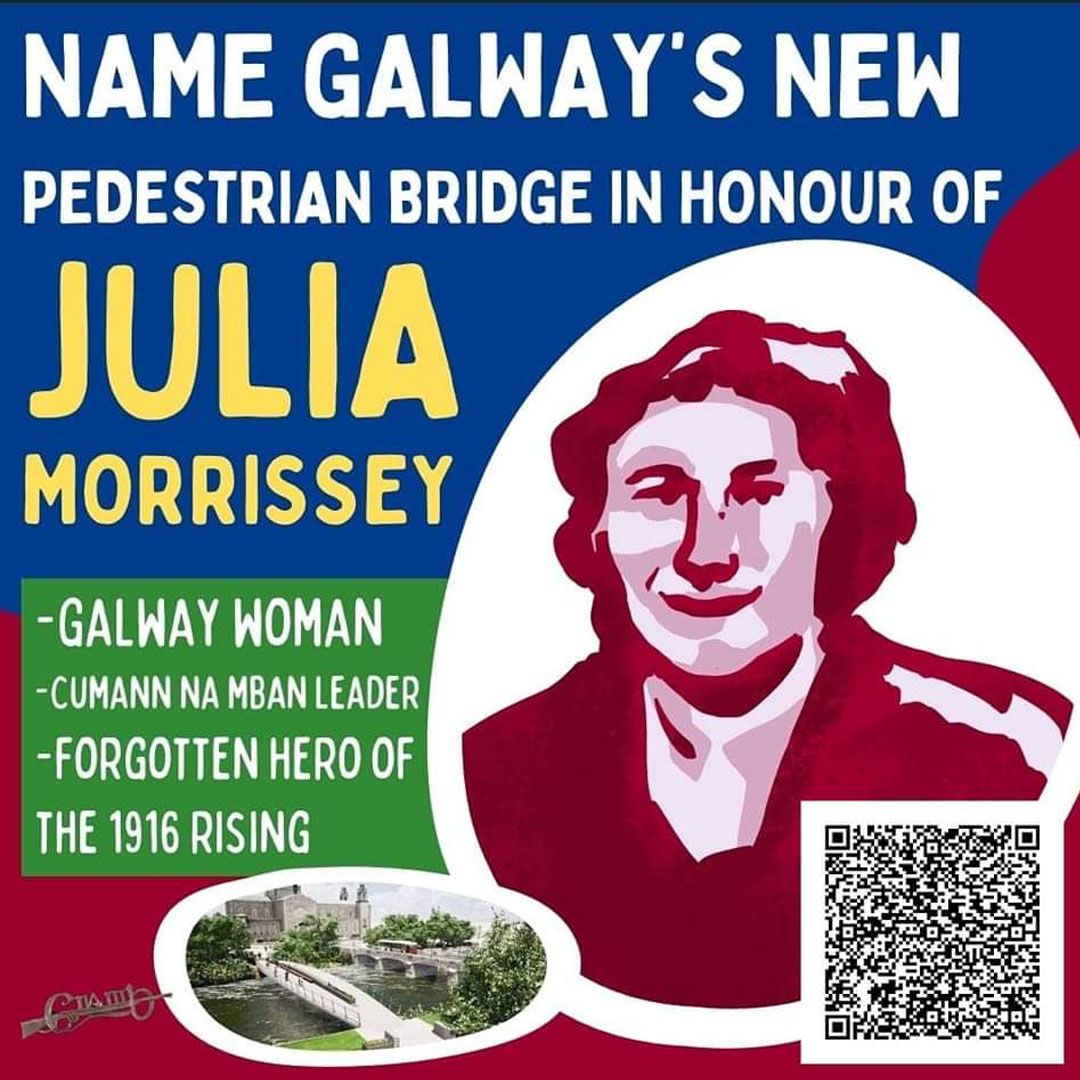
Name Galway's New Pedestrian Bridge in Honour of 1916 Hero Julia Morrissey
An Athenry native, Julia Morrissey, was a key figure in Cumann na mBan's Galway branch. In 1916, she commanded a group of 50 women during Easter week, as part of the rebellion in Galway that was led by Liam Mellows. When Mellows first came to Athenry in 1915, Mor... [more]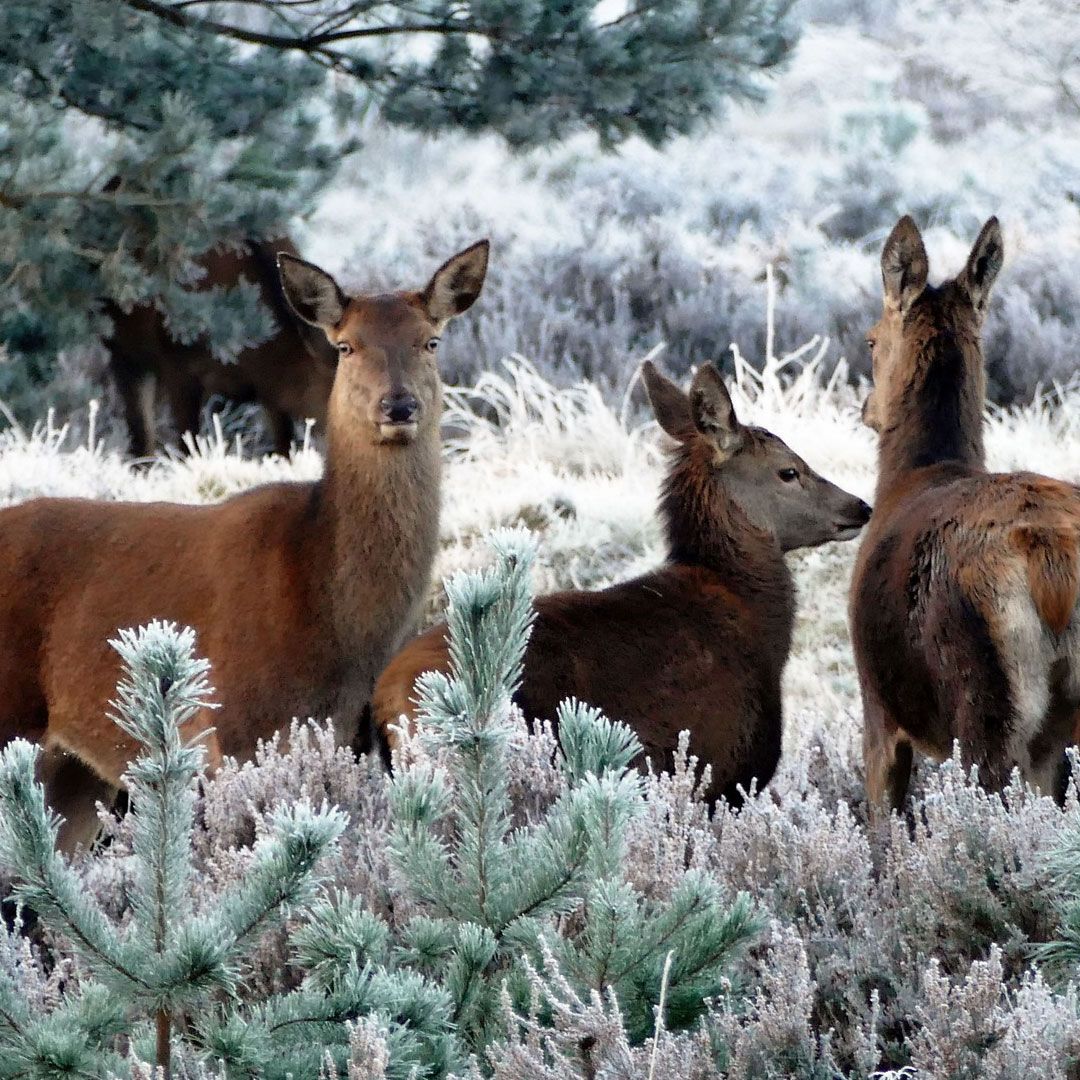
Human activity discovered in Ireland 33000 years ago
A REINDEER BONE fragment uncovered in a cave contains a revelation set to dramatically alter the understanding of Irish human history. The bone fragment was found at Castlepook Cave near Doneraile in north Cork where a mammoth bone was discovered in 1972. T... [more]
Wolfe Tones announce anniversary gig
After breaking records at Electric Picnic over the weekend, the Wolfe Tones are set to mark six decades of making music with an anniversary gig in Dublin next year. The Wolfe Tones drew the largest crowd to date to the festival’s Electric Arena on Sunday as a s... [more]
RIA culture night 2023
Come and join us on Culture Night 2023, we will have lots of cultural activities for all ages! Explore the Royal Irish Academy - a hidden Georgian gem tucked away on Dawson Street. View the earliest example of Irish writing - the 6th century Cathach, have a go at som... [more]
More than one million people are actively learning Irish
More than one million people are actively learning Irish on Duolingo according to data from the language app. A recent report (June 2021) listed Irish as the 16th most popular language to learn on the app, with 1.10 million users actively learning the language. ... [more]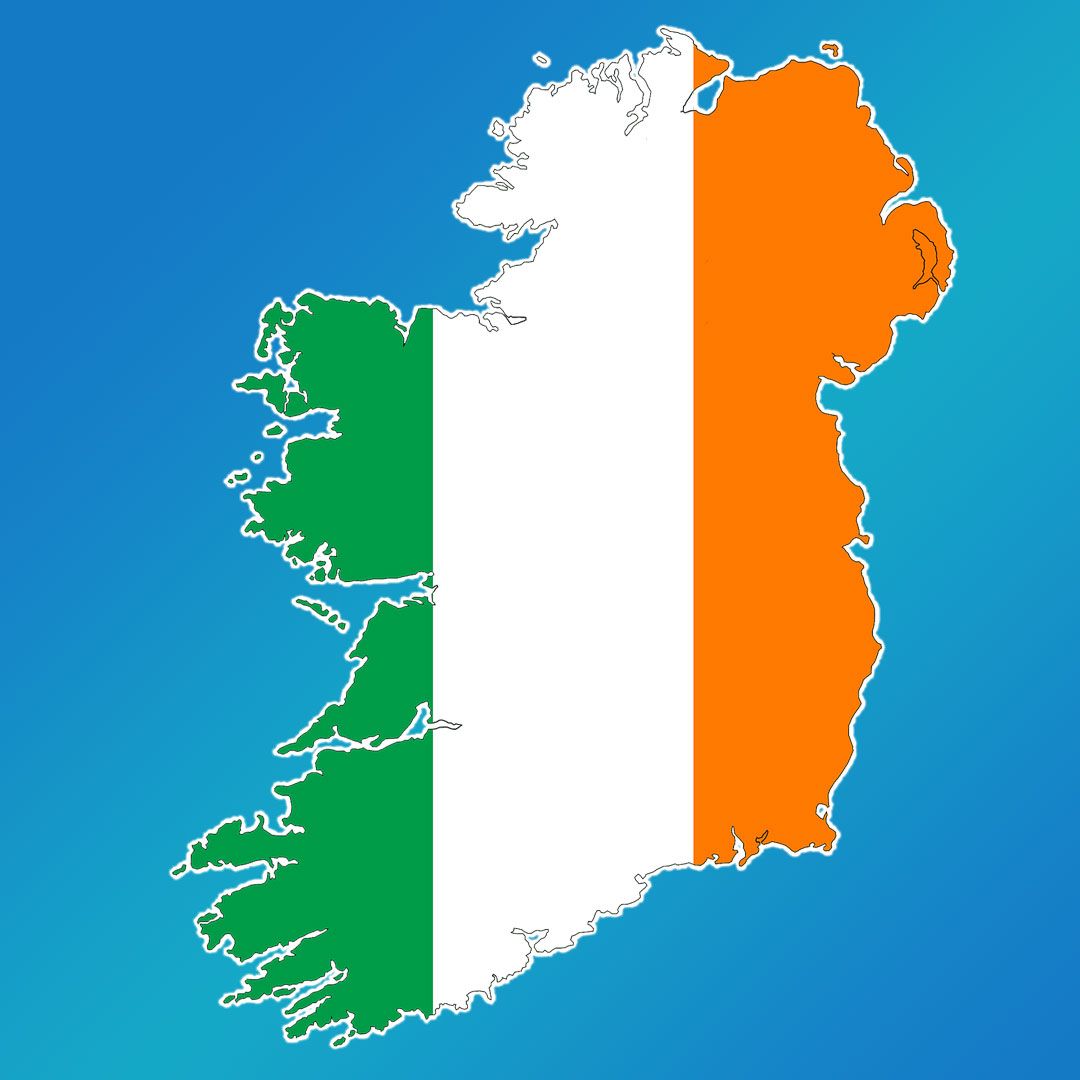
United Ireland poll
Linda Ervine places herself in the “don’t know” group when it comes to a united Ireland, saying: “I’m one of those people that will have to be convinced.” Almost one in five voters in Northern Ireland are in the same category, acco... [more]